Metabolic surgery uses the same operations as weight-loss surgery, chosen and planned with a different main goal: controlling type 2 diabetes and related metabolic disease.
Changes in gut hormones after surgery can improve blood sugar within days, often before much weight is lost. Dr. Borude's research interests include diabetes and hormonal changes after bariatric surgery.
Who is it for?
- Type 2 diabetes not well controlled with medicines or insulin
- BMI of 27.5 or more with uncontrolled diabetes may be considered (Asian-Indian guidance)
- Patients with fatty liver, high blood pressure or sleep apnoea alongside diabetes
How it's done
- Detailed evaluation of diabetes duration, insulin reserve (C-peptide) and complications
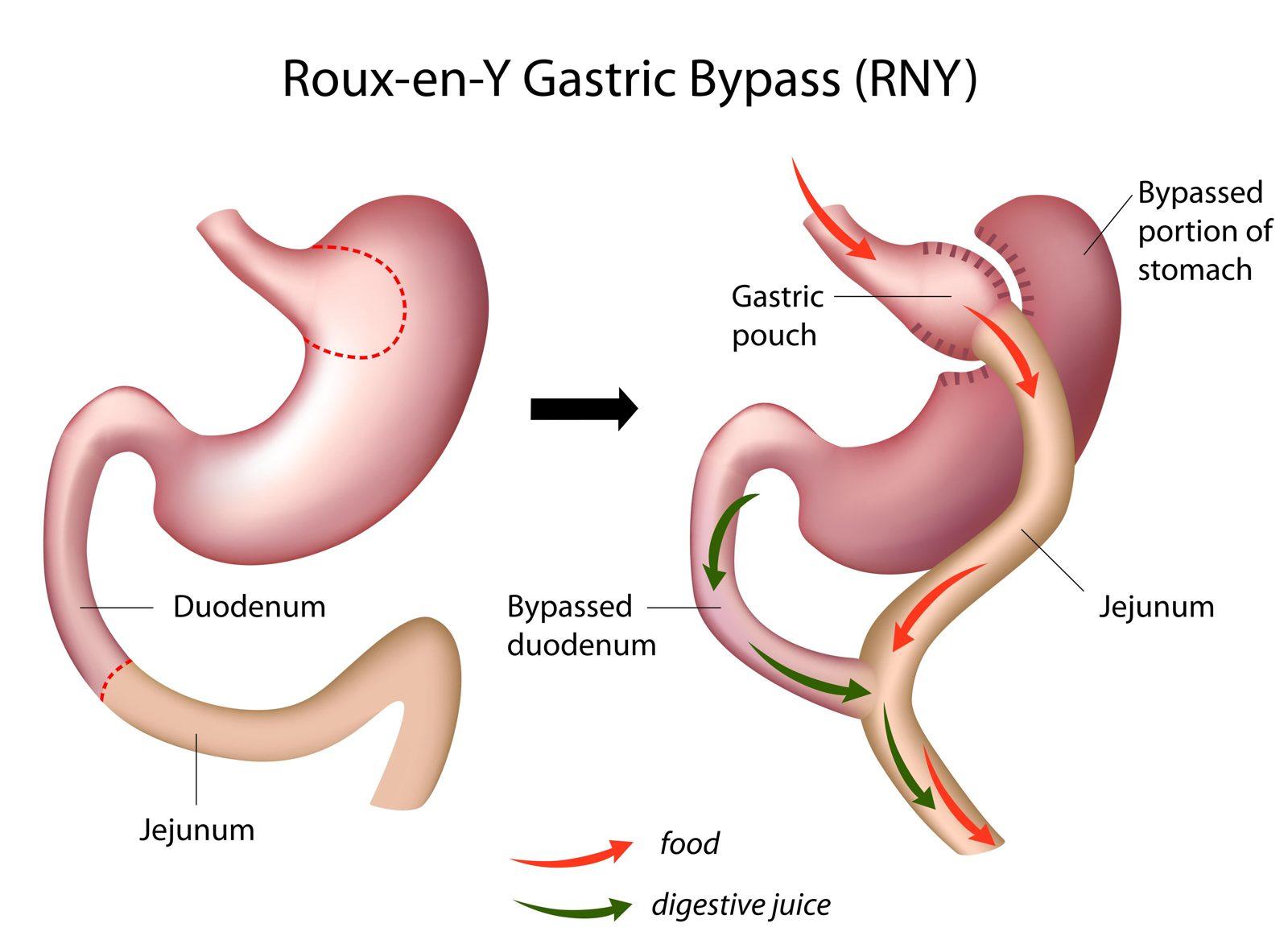
- Choice of procedure tailored to your metabolic profile: Roux-en-Y or mini gastric bypass, or sleeve gastrectomy with duodenojejunal bypass (SG-DJB) or proximal jejunal bypass (SG-PJB)
- Laparoscopic surgery with a 2–3 day hospital stay
Recovery & life after
- Close monitoring of blood sugar in the first weeks; medicines are adjusted
- Staged diet and regular follow-up with surgeon, physician and dietitian
- Remission is not guaranteed and depends on several factors, including how long you have had diabetes
Risks
Risks are those of the underlying bariatric procedure. Low blood sugar can occur as medicines are reduced, so monitoring is essential.
Results vary between individuals. This page is general information and isn't a substitute for a personal consultation.